
International Women in Engineering Day (INWED) is an opportunity to celebrate the women whose expertise, leadership and innovation help shape the future of our industries and communities.
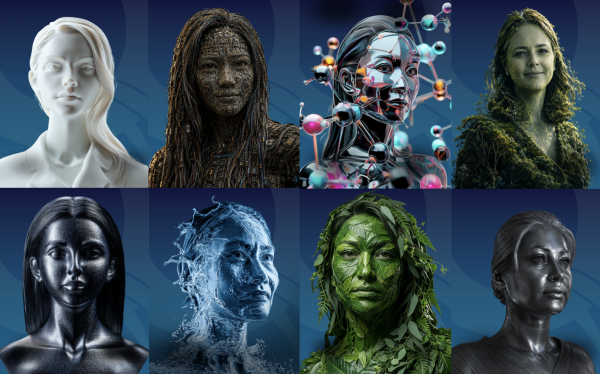
This year’s theme, Engineering Intelligence, invites us to look beyond algorithms, automation and emerging technologies and recognise something equally powerful: the human intelligence that underpins every successful engineering outcome.
At Sequana Group, engineering intelligence is demonstrated every day across our businesses, projects and disciplines. It is the ability to combine technical expertise with critical thinking, collaboration, creativity and sound judgement to solve complex problems and deliver meaningful outcomes.
Throughout our INWED campaign, we featured women from across the Group who shared examples of engineering intelligence in action. Their stories spanned environmental approvals, water security, climate resilience, infrastructure renewal, process engineering, electrical systems and operational optimisation. While the challenges varied, a common theme emerged: engineering intelligence is ultimately about people.
Engineering Intelligence Is More Than Technology
For Anshika Gupta, engineering intelligence is “the synergy of technology and human ingenuity to create innovative solutions to solve real-world problems.”
That philosophy was evident when she led a rapid environmental assessment process for a major water infrastructure project. By combining GIS technology with environmental expertise and a multi-criteria assessment approach, her team was able to identify a preferred pipeline alignment and deliver a critical approvals submission within an extremely compressed timeframe.
Across the Group, similar examples highlighted how technical tools become most powerful when combined with experience, insight and practical decision-making.
Clarissa Toh described engineering intelligence as “turning insight, experience and data into decisive action to solve complex problems safely, efficiently and with lasting impact.” When a critical electrical system failure triggered a network-wide stop-work order, Clarissa developed and implemented a temporary engineering solution that restored operational continuity, mitigated safety risks and enabled works to resume within 48 hours.
These examples demonstrate that technology alone does not solve problems. People do.
The Power of Listening, Collaboration and Diverse Perspectives
Many of the stories reinforced the idea that engineering intelligence is as much about communication and collaboration as it is about technical expertise.
Emily She, Lead Process Engineer, believes engineering intelligence is “using our unique combination of experiences, skills and perspectives to make sense of complexity.” While leading the biosolids component of a major wastewater recovery facility upgrade, Emily spent time on site engaging with operators, planners, suppliers and contractors to understand challenges from every perspective. The result was a practical, future-focused solution that improved reliability, safety and capacity while achieving early stakeholder buy-in.
Similarly, Jess Davis highlighted the importance of understanding connections between systems. For Jess, engineering intelligence is “the ability to see the connections between technical, environmental and human systems, and use that understanding to make and empower others to make better decisions.”
Working with a major infrastructure client on climate-related risks and opportunities, Jess translated complex technical, operational and regulatory information into a practical decision-making framework that supports long-term resilience and business planning.
Together, these stories remind us that some of the most valuable engineering skills are the ability to listen, connect ideas, build consensus and help others make informed decisions.
Balancing Today’s Challenges with Tomorrow’s Uncertainty
Engineering intelligence also means preparing organisations and communities for an uncertain future.
Luigi Castro’s work on drought response planning for Greater Sydney demonstrated the need to move beyond traditional approaches and create flexible frameworks capable of adapting to changing conditions. As Luigi explains, engineering intelligence is about “helping people make informed and better decisions today while preparing for the uncertainties of tomorrow.”
That same future-focused mindset was reflected in projects across the Group, from climate resilience planning to infrastructure upgrades and operational improvements. Whether responding to emerging risks or designing systems with decades-long lifecycles, engineering intelligence requires engineers to think beyond immediate problems and consider long-term outcomes.
Practical Solutions, Lasting Value
Across water, energy, environment and infrastructure projects, the women featured in our INWED campaign demonstrated that engineering intelligence often lies in finding the most practical path forward.
Gazi Famili’s renewal strategy for critical treatment plant infrastructure delivered operational improvements without unnecessary replacement costs. Sumari Veal drew on expertise from across the Group to optimise desalination operations and improve long-term resilience. Zara Fernando maintained clarity and focus through a rapidly evolving water network modelling project, ensuring changing requirements never distracted from the project’s core objectives.
As Sumari notes, engineering intelligence involves “viewing problems from multiple angles, leaning on multidisciplinary and diverse experience, recognising our own limitations, and always remembering the impact our decisions have on the community, environment and economic stewardship.”
These perspectives reinforce an important truth: engineering excellence is not simply about designing solutions. It is about delivering outcomes that are safe, sustainable, practical and valuable.
Celebrating the Women Shaping Our Future
The stories shared throughout our INWED campaign showcase the depth of talent, expertise and leadership across Sequana Group.
They demonstrate that engineering intelligence is not defined by technology alone. It is the combination of technical knowledge, curiosity, adaptability, communication, collaboration and sound judgement that enables engineers to solve some of society’s most complex challenges.
As we celebrate International Women in Engineering Day, we recognise the women across our Group whose contributions continue to strengthen our projects, support our clients and help build a more sustainable and resilient future.
Their stories remind us that behind every successful engineering outcome is something technology can never replace: human intelligence.
ENGINEERING INTELLIGENCE AT SEQUANA GROUP
Engineering Intelligence is the integration of expertise, insight, collaboration and innovation to solve complex challenges and deliver sustainable outcomes.
It is how we:
- Make better decisions
- Manage uncertainty
- Improve performance
- Create resilience
- Protect communities and the environment
- Deliver lasting value for our clients
Every project featured in this campaign demonstrates that engineering intelligence is not a capability owned by technology alone, it is the collective expertise of our people.